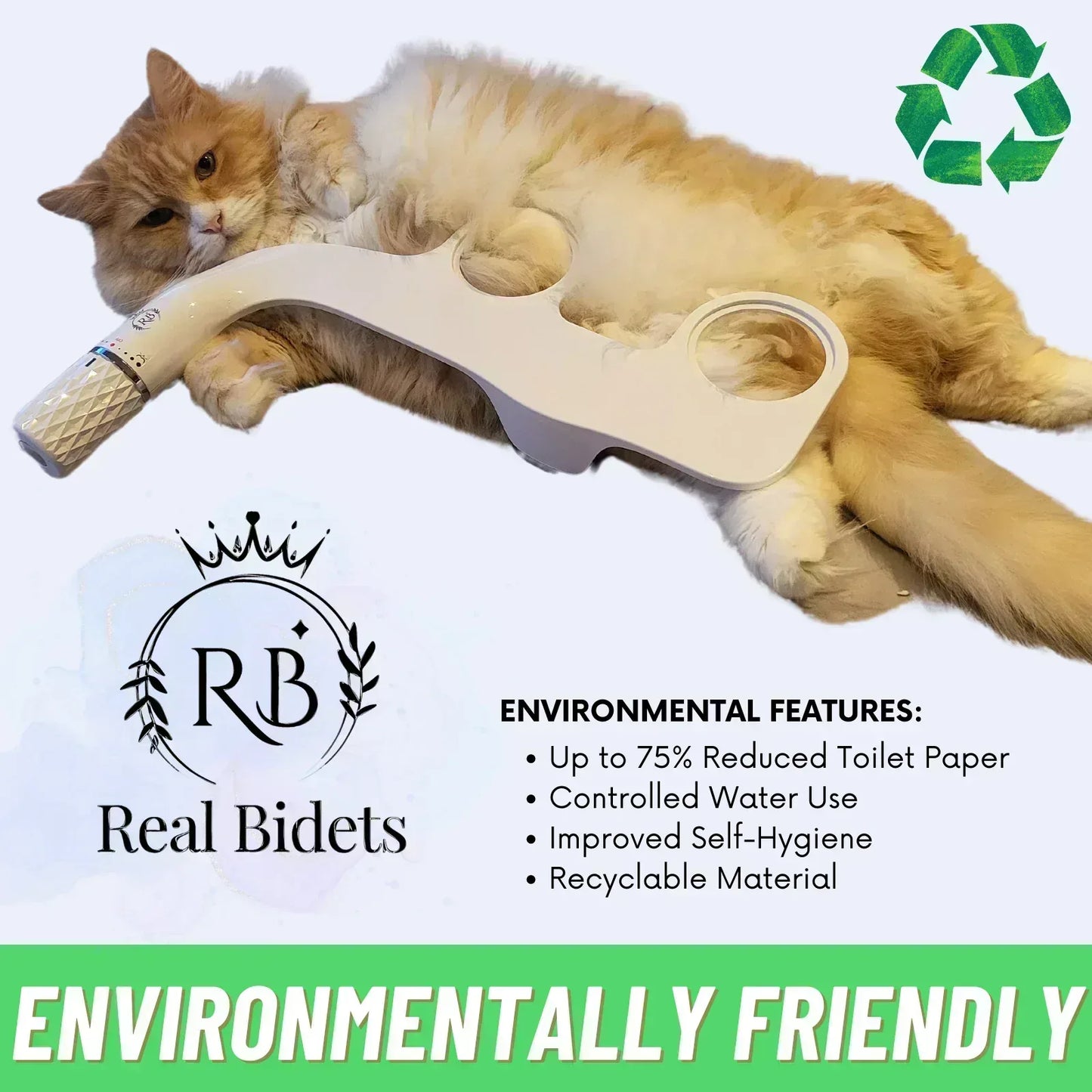

How Much Can a Non-Electric Bidet Cut Toilet Paper Costs?
A non-electric bidet attachment can reduce how much toilet paper you use, so your toilet roll bill may drop, often noticeably over a few weeks. The exact saving depends on your current habits, how many people are in the household, and whether you also cut back on wet wipes.
On running costs, you are mainly paying for a small amount of cold water each use. In most UK homes, that water cost is low compared with the cost of toilet paper, and payback often comes within months rather than years.
Toilet roll costs: where the real saving comes from
If you currently use a lot of toilet paper for every bathroom visit, switching to a bidet typically lets you use less paper overall. Many people end up using paper for two stages: a quick wipe first, then a rinse, then a final dry with a smaller amount of roll. Others use mostly paper for drying only, depending on comfort and preference.
To estimate your likely reduction, start with your own routine:
- How many rolls do you use now? Many households notice their monthly roll consumption more than they track it.
- How much do you use per visit? If you’re using a thick stack each time, the potential saving is bigger.
- Do you already use less paper because you have wet wipes? If so, your saving might show up more in fewer wipe purchases than in roll consumption.
Also remember that toilet paper and wipes tend to rise in price over time. A bidet helps you cut back on the variable part of your spend, rather than just switching brands.
Wet wipes: a common hidden cost (and mess)
Wet wipes are often more expensive per use than toilet paper. If you use wipes regularly, a bidet can reduce how often you need them, especially for everyday rinsing and refreshing after using the toilet.
There’s also a practical plumbing angle. Many wipes are not designed to break down like toilet paper, so using less of them can be a sensible way to reduce the chance of blocked drains and messy plumbing work. Even when wipes don’t cause a blockage, they can still be a nuisance for toilet and drain systems.
If you do cut back, consider a gradual change so you find a routine you stick with. For example: reduce wipe usage, use the bidet for the rinse, and use a smaller amount of paper for drying.
Water usage and running costs in a UK home
Non-electric bidet attachments use your existing cold water supply. That means there is no electricity cost for the rinse, and the running cost mostly comes down to the amount of water used per wash.
In practical terms, the water use depends on:
- Your flow rate settings (if adjustable) and how long you run the nozzle
- Whether you use short rinses or longer sessions
- How many times a day the bidet gets used
UK water bills are usually split across a standing charge and a usage charge, so small changes in water use may not always show up clearly line by line. But you can still think of the cost as “a few extra litres per use” added to your annual bill. For most households, that cost is typically modest compared with ongoing toilet paper and wipe spend.
Payback period: when you’ll likely notice it
Payback is the time it takes for savings on toilet paper and wipes (plus any reduced paper-only usage) to cover the cost of the attachment.
A simple way to work it out is:
- Calculate your current monthly spend on toilet paper and any wet wipes you use
- Estimate your reduction after you start using the bidet (for example, cutting toilet paper use and, if relevant, reducing wipes)
- Multiply by 12 to get a rough annual saving
- Divide the product price by the annual saving to get an approximate payback time
In many UK homes, the payback can land within a few months if you use a lot of toilet paper, or if wipes are a regular part of your bathroom routine. If you only use a small amount of toilet paper and rarely buy wipes, payback can take longer, but you’re still reducing consumables going forward.
Installation also matters for overall “time to value”. The non-electric nature keeps things straightforward, and UK-spec kits with compression fittings are designed to connect to standard plumbing without needing extra adapters in most cases.
UK practicalities: plumbing, toilets, and what to expect
Most standard UK toilets can take a bidet attachment, provided the seat size and inlet position are compatible. A proper fit helps you use the bidet comfortably without fiddling every time.
When it comes to plumbing, non-electric bidets connect to the cold-water supply line. UK kits are set up with the correct compression fitting size and junction, so they work with typical UK toilet water connections. That reduces the chance of delays from missing adapters.
For day-to-day running costs, the main “cost risk” is simply leaving the water running longer than necessary. A quick, consistent rinse and an efficient drying routine keeps water use sensible. As you get used to it, you normally settle into a duration that feels right.
Frequently asked questions
Will a non-electric bidet increase my water bill?
It will add a small amount of cold water per use, but for many households the extra cost is modest compared with the savings from using less toilet paper. Your exact bill impact depends on how often you use it and how long you run the spray.
How much toilet paper can I realistically save?
Many people cut their toilet roll use noticeably, often by switching from paper-only wiping to a rinse plus a smaller amount of paper for drying. The more paper you use now, the more room there is to reduce it.
Does using a bidet mean I should stop wet wipes completely?
You can keep using them if you prefer, but a bidet often reduces how often you need wipes for everyday cleaning. Using fewer wipes can also be better for drains and blockages.
Sensible next step
If you want to target savings first, a non-electric bidet toilet seat attachment is a practical place to start because it’s designed to fit standard UK toilets and install in about 10 minutes, with free UK delivery and a 1-year warranty.
If you’re not ready to change the toilet setup yet, a handheld bidet sprayer can be a cheaper way to try the idea and build a routine that cuts your toilet roll use.
Related guides
- How to install your Real Bidet (UK guide)
- 15mm copper pipe? Here is the fix
- Bidet attachments vs bidet toilet seats
UK-spec as standard: Real Bidets kits include a 15mm copper pipe compression fitting and a 1/2 inch T-junction, so they connect straight to UK plumbing without extra adapters.
|
Check our best-selling bidet here: Ultra Thin Toilet Seat Attachment
|
Or try our handheld sprayer:
|